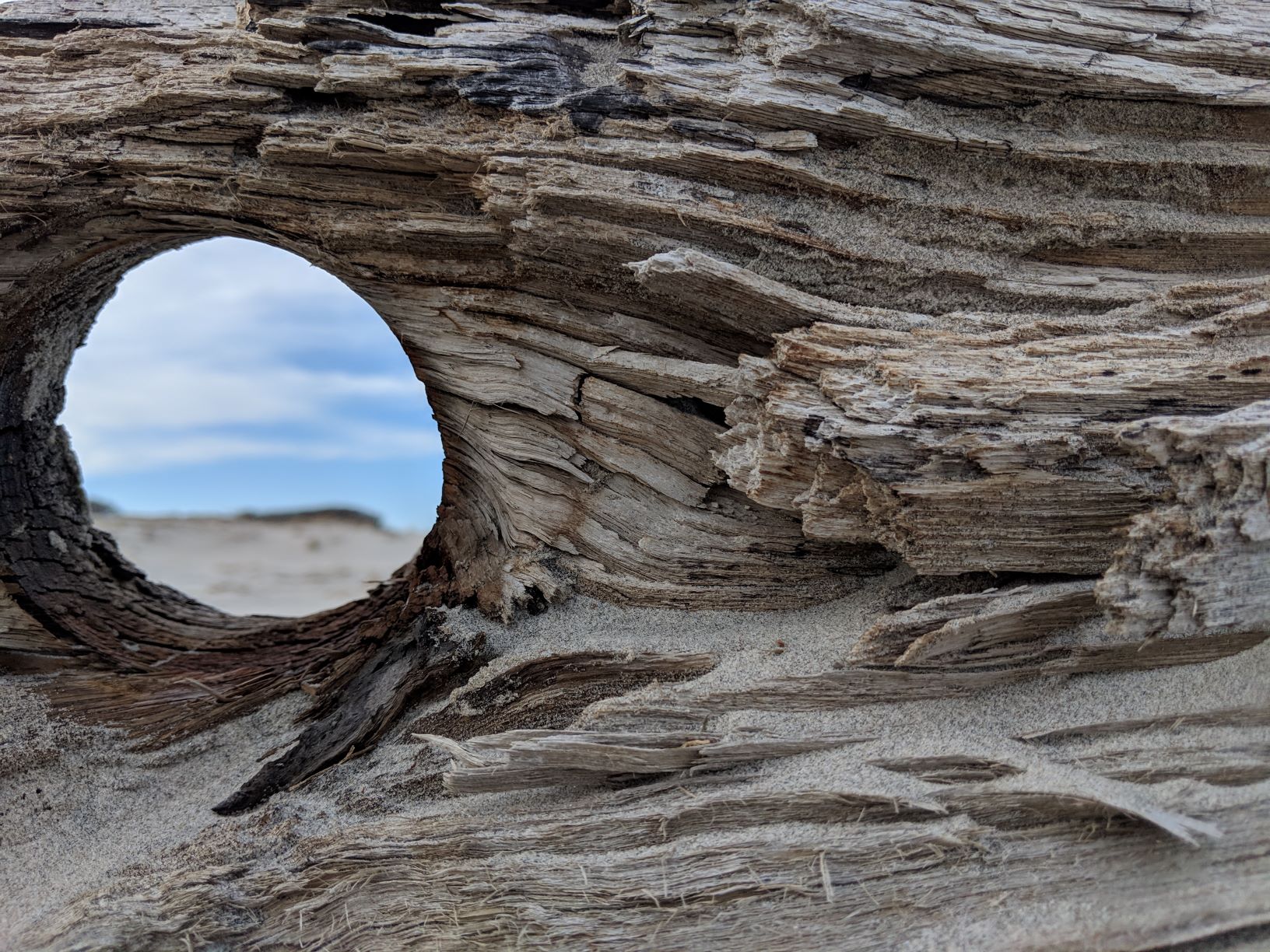
(That we are here at all is the miracle.)

Transubstantiation is a Catholic concept, and a somewhat late one, not appearing until the 1200s or so. Catholic doctrine holds that the Holy Communion bread becomes the body of Christ during Mass, though the bread keeps its bread-like qualities..
I teach high school biology in a public school, so transubstantiation does not come up much in class. We do talk about photosynthesis, however, and if you follow the particles involved, a form of transubstantiation does happen, just not in the mystical sense.
One year in class I decided that we should all plant wheat, then take the few wheat berries we managed to grow on the classroom windowsills, grind them up, and mix them with enough store-bought flour to make a loaf of bread.
So far, so good.

Before breaking the bread in class, I asked the students to tell me where the stuff of the bread came from. They (mostly) knew it came from carbon dioxide in the air.
I then asked them where the carbon dioxide came from.
It came from them.
And where was it before it left their bodies? I meant literally, immediately before it left whatever cell they wanted to imagine deep in the dark depths of their flesh.
And that’s where science banged a little too close to mortality; most of that bread got left uneaten that day.
We are, literally, what we eat. Eating is a transubstantive process. The atoms we eat do not change, they just get rearranged. Every part of you that is you (and meant to be you) came from your mother or your food.
Oh, we got some stray lead and a few zillion pieces of microplastics embedded in us, true, but those are accidental.
I don’t want to hear that plants make food out of sunlight. Because they don’t
Plants make food out of us. They need sunlight to do all the fancy work of sewing together carbon dioxide and bits of water, but most of the stuff that makes a plant a plant came from carbon dioxide.
Not dirt. Not sunlight.
The stuff of us.

